
Orthokeratology (Ortho-K) is a safe and reversible method of vision correction that works while you sleep, providing clear vision without glasses or daytime contact lenses.
At Optometrist Parramatta, we regularly prescribe Ortho-K (also known as dream lenses) as part of myopia management in children and teenagers. They provide clear daytime vision while also helping to slow the progression of short-sightedness.
Let’s explore some of the most common questions parents ask when considering Ortho-K for their child.
Ortho-K Lenses: Q&A
1. What is Ortho-K?
Ortho-K, short for orthokeratology, involves wearing specially designed rigid gas-permeable Ortho-K contact lenses overnight to gently reshape the cornea, the clear front surface of the eye. This temporary reshaping allows light to focus correctly on the retina, providing clear vision during the day.
Unlike regular contact lenses, which correct vision while they are being worn, Ortho-K lenses are removed in the morning and the vision-correcting effect continues throughout the day.
2. What are the possible risks of Ortho-K?
As with all contact lens wear, there are potential risks. Side-effects can include irritation, redness, corneal staining, lens binding, dryness and blurred vision. In rare cases, corneal infection or scarring can occur. Careful fitting, proper hygiene, and regular follow-up visits greatly reduce these risks. Our optometrists will explain how to properly insert and care for your lenses when you are provided with your trial lenses.
3. What ages are suitable for Ortho-K?
Ortho-K can be fitted from around age 6. It is particularly beneficial for children and adolescents with progressing myopia, as research shows it can help slow its advancement.
The appropriate age and suitability depend on the child’s eye health, prescription, corneal shape, ability to follow lens-care instructions and individual circumstances.
4. How effective is Ortho-K for myopia control?
Studies show that Ortho-K can reduce the rate of myopia progression in children by about 50% on average. The degree of benefit varies between individuals, and your optometrist can discuss what may be appropriate based on your child’s eyes and rate of myopia progression.
Ortho-K may form part of a broader myopia management plan and should be monitored regularly.
5. Can Ortho-K correct other conditions besides myopia?
While Ortho-K is most commonly used for myopia, it can also help with certain cases of astigmatism and early hyperopia.
Suitability depends on your prescription, corneal shape and overall eye health. Your optometrist will assess these factors before recommending orthokeratology lenses.
6. What about children with dry eyes?
Some children who find daytime contact lenses uncomfortable may do better with Ortho-K because the lenses are worn only while sleeping.
However, suitability depends on the type and severity of dry eye. An eye assessment is important to determine whether Ortho-K is appropriate and whether any underlying dry-eye concerns need to be addressed.
7. How long does Ortho-K take to work?
Many children notice clearer vision within a few days of starting Ortho-K. Full correction usually takes around 1–2 weeks, although higher prescriptions or individual differences in corneal response may mean that it takes longer.
Your optometrist will monitor the results during follow-up appointments and assess whether the lenses are providing the desired level of correction.
8. How long do Ortho-K lenses last?
Clear vision usually lasts between 24 and 72 hours after lens removal. Most children need to wear their lenses every night for stable results.
9. How long do the effects of Ortho-K last?
Missing a night usually means vision is still functional the next day, though it may not be as sharp. Consistent wear is recommended for best results.
10. What if my child forgets to wear their Ortho-K lenses?
Missing one night usually does not mean that vision will immediately return to the original prescription. However, vision may be less sharp the following day and the effect can gradually reduce if lenses are not worn consistently.
Regular overnight wear is recommended for maintaining stable daytime vision.
11. Can my child see while wearing Ortho-K lenses?
Vision is generally possible while wearing the lenses, but Ortho-K lenses are specifically designed for overnight wear rather than daytime use.
The lenses work while your child sleeps and are removed in the morning. The temporary corneal reshaping then allows clear vision during the day.
12. Why might Ortho-K not work for some children?
Ortho-K works best when the front surface of the eye, or cornea, has a smooth and regular shape.
Ortho-K may not be suitable when the cornea is irregular due to conditions such as keratoconus or scarring. Your optometrist will assess the corneal shape and overall eye health before determining whether Ortho-K is appropriate.
13. How do we care for Ortho-K lenses, and how often are they replaced?
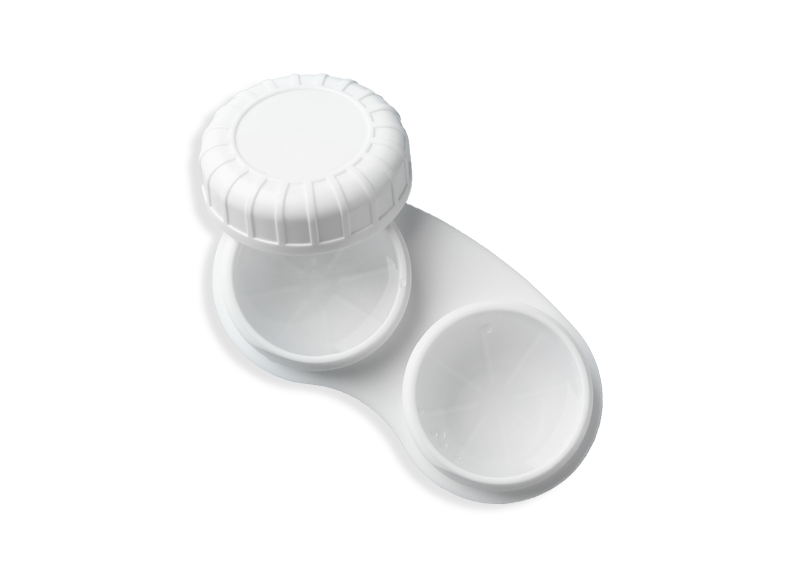
Ortho K lenses must be cleaned and disinfected using a special cleaning system provided by your optometrist. This system keeps the lenses safe and comfortable to wear.
We usually replace Ortho-K lenses every 12 months, although this may vary depending on lens condition and your child’s needs.
14. Is Ortho-K permanent?
No. The effects last only while the lenses are worn consistently. If treatment is stopped, the cornea gradually returns to its original shape and prescription.
15. How do I know if Ortho-K is suitable for my child?
Our optometrists screen for suitability for Ortho-K and other vision correction solutions during our comprehensive eye tests.
If you’d like to find out whether Ortho-K is suitable for your child, we’d be happy to assess and guide you through the process.
Get started by booking an appointment today.
This content is for general information only and is not a substitute for professional eye care advice, diagnosis, or treatment. Always consult a qualified optometrist or healthcare professional regarding your individual circumstances.
References
* Mykidsvision.org
** Vincent SJ, Cho P, Chan KY, Fadel D, Ghorbani-Mojarrad N, González-Méijome JM, Johnson L, Kang P, Michaud L, Simard P, Jones L. CLEAR – Orthokeratology. Cont Lens Anterior Eye. 2021 Apr;44(2):240-269.
Book a 360° Eye Test today
We perform a comprehensive eye exam, answer your questions and assess your child’s suitability for Ortho-K.